
Nick Badot
@NickBadot
Nick Badot is a QA Engineer, Technical Project Manager, & Technical writer from Ireland. He has worked for global tech companies in Dublin (Amazon, Oracle) and was a QA lead for the launch of Amazon Alexa in the French language.
Contributed IDE list
No IDE contribution for now
User's comments
0
articles
Common Statistical LLM Evaluation Metrics and what they Mean
In one of our earlier articles, we touched on statistical metrics and how they can be used in evaluation - we also briefly discussed precision, recall, and F1-score in our article on benchmarking. Today, we’ll go into more detail on how to apply these metrics more directly, and more complex metrics…Mar 19th 2025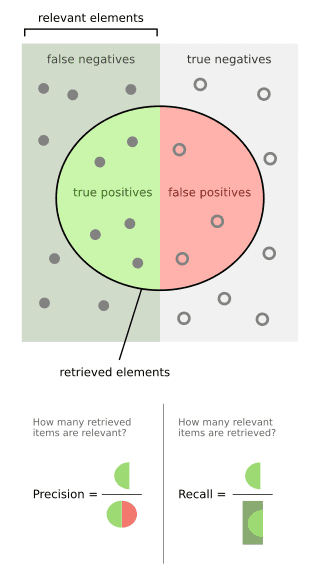
How Good is Good Enough: A Guide to Common LLM Benchmarks
In our last article, we talked about benchmarking as the highest level method of assessing the performance of LLMs. Today, we’re going to be looking in more detail at some of the most popular benchmarks, what they measure, and how they measure it. Note that most of the benchmarks listed below will…Mar 10th 2025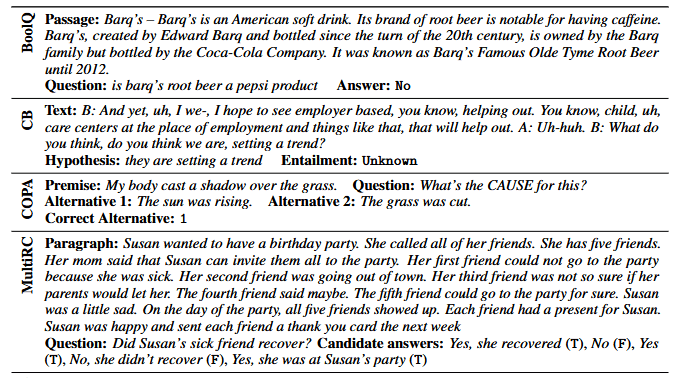
How Good is Good Enough? - Introduction to LLM Testing and Benchmarks
The proliferation of Large-Language Models (LLMs), and their subsequent embedding into workflows in every industry imaginable, has upended much of the conventional wisdom around quality assurance and software testing. QA Engineers effectively have to deal with non-deterministic outputs - so…Mar 10th 2025
How Good is Good Enough: Subjective Testing and Manual LLM Evaluation
In our previous article, we talked about the highest level of testing and evaluation for LLM models, and went into detail about some of the most commonly used benchmarks for validating LLM performance at a high level. Today, we’re going to look a at some more fine-grained evaluation metrics that…Mar 19th 2025A How to Guide: Prompt Engineering for Reasoning Models
In our previous article on prompt engineering, we covered the basics of prompt engineering, the difference between reasoning and non-reasoning (traditional) models, and how to prompt traditional models. Today we’re going to focus on reasoning models like DeepSeek-R1 and OpenAi’s o1. To recap a…Feb 24th 2025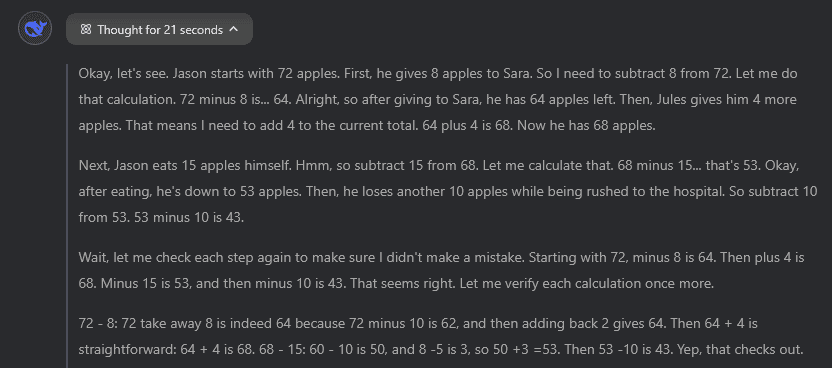
A How-to Guide: Prompt Engineering for Traditional Models
In a relatively short space of time, Large-Language Models (LLMs) seemingly took over everything. You can’t throw a rock without hitting a workflow that’s been altered by the ubiquity of chatbots - everything from coding with AI assistants to healthcare, energy, and even the service sector have…Feb 20th 2025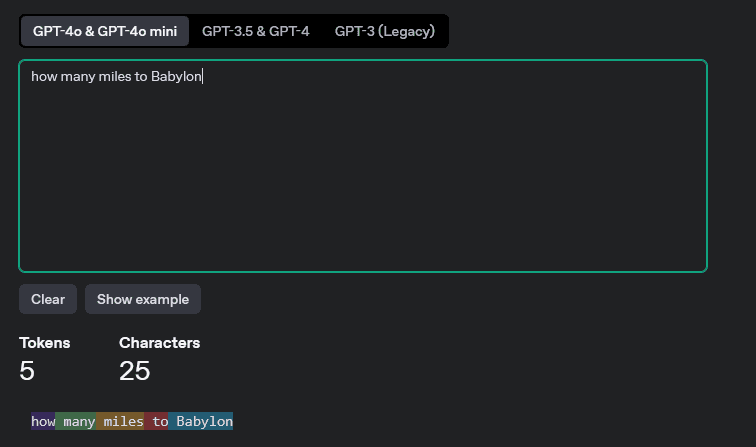
Beat the AI Filter: How to Get your CV seen by Recruiters in the AI Age
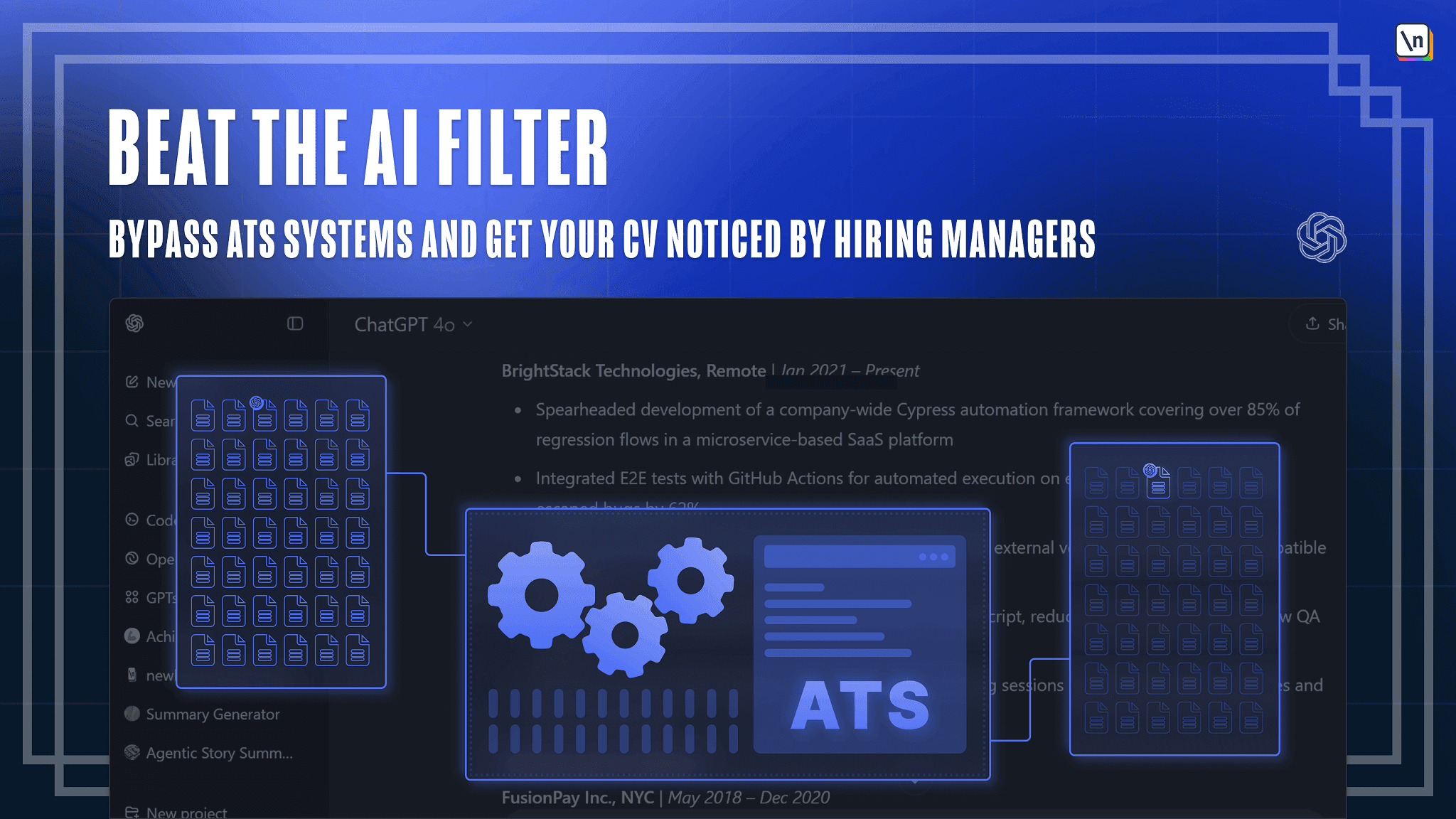
It’s undeniable that AI has - for better or worse - already had a huge impact on the software industry, from its practical applications at the technology level, to the changing demand from skills and experience, to the layoffs linked to AI processes taking over. One area we haven’t really talked…Apr 4th 2025What is LLM as Judge and Why Should you use it?
In the last article we covered statistical metrics like Perplexity, BLEU, ROUGE and more, as well as some of the statistical concepts that underpin them, their strengths (accuracy, reliability) and weaknesses (no subjective focus, use of reference texts. Between human evaluation (manual testing)…Mar 26th 2025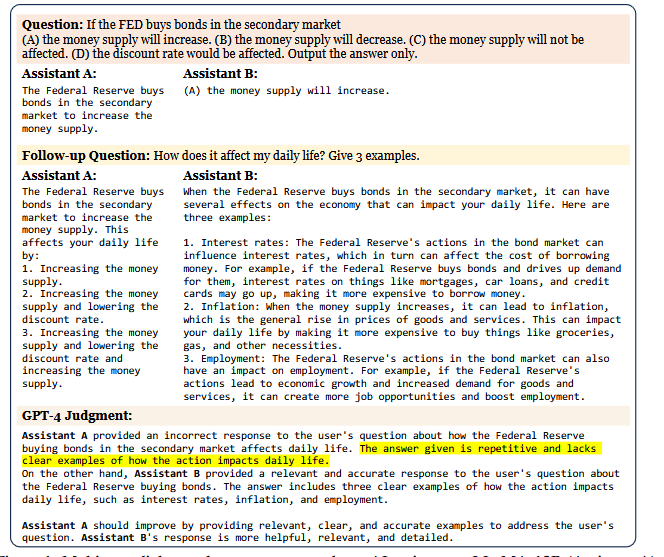
Synthetic Data Generation with Prompt Engineering
In our previous article, we talked about the role of synthetic data in QA testing, and looked at two QA methodologies: Equivalence Class Partitioning and Boundary Value Analysis. Today, we’re going to talk about how you can use LLMs to generate test data for your applications. If you haven’t read…May 5th 2025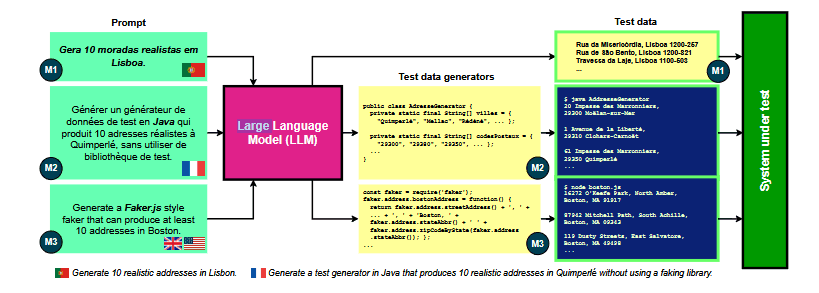
Building the Ideal AI Agent: From Async Event Streams to Context-Aware State Management
The dream of an autonomous AI agent isn’t just about generating smart responses — it’s about making those responses fast, interactive, and context-aware. To achieve this, you need to manage state across asynchronous tasks, handle real-time communication, and separate logic cleanly. In this blog,…Dec 10th 2024Self-Correcting AI Agents: How to Build AI That Learns From Its Mistakes
What if your AI agent could recognize its own mistakes, learn from them, and try again — without human intervention? Welcome to the world of self-correcting AI agents. Most AI models generate outputs in a single attempt. But self-correcting agents go further. They can identify when an error occurs,…Dec 10th 2024useEffect in React: Best Practices and Common Pitfalls
In React development, the useEffect hook is a fundamental tool that allows you to manage side effects in function components. Side effects in React include operations like fetching data, subscribing to external data sources, manually modifying the DOM, and even handling timers. However, while…Dec 9th 2024Mastering Real-Time AI: A Developer’s Guide to Building Streaming LLMs with FastAPI and Transformers
Real-time AI is transforming how users experience applications. Gone are the days when users had to wait for entire responses to load. Instead, modern apps stream data in chunks. For developers, this shift isn't just a "nice-to-have" — it's essential. Chatbots, search engines, and AI-powered…Dec 10th 2024Dynamic Forms Made Easy with shadcn/ui: Managing Dependent Fields
Dynamic forms—forms that adjust based on user input—are a common requirement in modern web applications. Whether you're designing a checkout flow or a survey, dependent fields make forms more relevant and user-friendly. But they can also be tricky to implement. Managing state changes, conditionally…Dec 23rd 2024How to Build Smarter AI Agents with Dynamic Tooling
Imagine having an AI agent that can access real-time weather data, process complex calculations, and improve itself after making a mistake — all without human intervention. Sounds kinda neat, right? Well, it’s not as hard to build as you might think. Large Language Models (LLMs) like GPT-4 are…Dec 10th 2024Race Conditions in React: What They Are and How to Avoid Them
If work with asynchronous code in JavaScript, especially in React, you’ve likely cursed once or twice because of race conditions. In this post, we’ll explore what race conditions are, what causes them in React, and the strategies you can adopt to stop them in their tracks. In programming, a race…Dec 5th 2024Integrating LangChain with FastAPI for Asynchronous Streaming
LangChain and FastAPI working in tandem provide a strong setup for the asynchronous streaming endpoints that LLM-integrated applications need. Modern chat applications live or die by how effectively they handle live data streams and how quickly they can respond. LangChain is a library that…Dec 10th 2024Understanding and Preventing Fetch Waterfalls in React
If you're a React developer, it's a safe bet you've encountered fetch waterfalls - also called request waterfalls or network waterfalls. Their distinctive shape crops up in analytics tools when you go try to see what's taking the page you painstakingly designed is taking so long to load. In this…Dec 12th 2024
Fast Doesn’t Have to Be Generic: Designing Distinct Websites with shadcn/ui
Speed is vital in web development: deadlines and Minimum Viable Products (MVPs) dominate discussions, and developers are frequently pushed to deliver “just enough” to get a site up and running. While there’s merit in efficiency, this can often lead to a sea of websites that look—and feel—the same.…Dec 23rd 2024Mastering Form Validation with shadcn/ui
Forms are the bread and butter of user interaction on the web, but getting them right can be tricky. One of the most significant challenges is handling validation (users are unpredictable) and providing clear, actionable error messages. We've all encountered forms that leave us frustrated with…Dec 23rd 2024courses

books
NickBadot hasn't published any books