
Dr. Dipen
I am an AI/ML researcher with 150+ citations and 16 published research papers. I have three tier-1 publications, including Internet of Things (Elsevier), Biomedical Signal Processing and Control (Elsevier), and IEEE Access. In my research journey, I have collaborated with NASA Glenn Research Center, Cleveland Clinic, and the U.S. Department of Energy for various research projects. I am also an official reviewer and have reviewed over 100 research papers for Elsevier, IEEE Transactions, ICRA, MDPI, and other top journals and conferences. I hold a PhD from Cleveland State University with a focus on large language models (LLMs) in cybersecurity, and I also earned a master’s degree in informatics from Northeastern University.
Contributed IDE list
No IDE contribution for now
User's comments
articles
Fine-Tune LLMs on a Single GPU Using LoRA and PEFT
LoRA makes single-GPU fine-tuning possible by updating adapters instead of rewriting the full model. QLoRA pushes further by quantizing the frozen base model, which frees up memory for the trainable adapter, optimizer state, and batches. Here's what single-GPU LoRA and QLoRA workflows look like in…Oct 14th 2026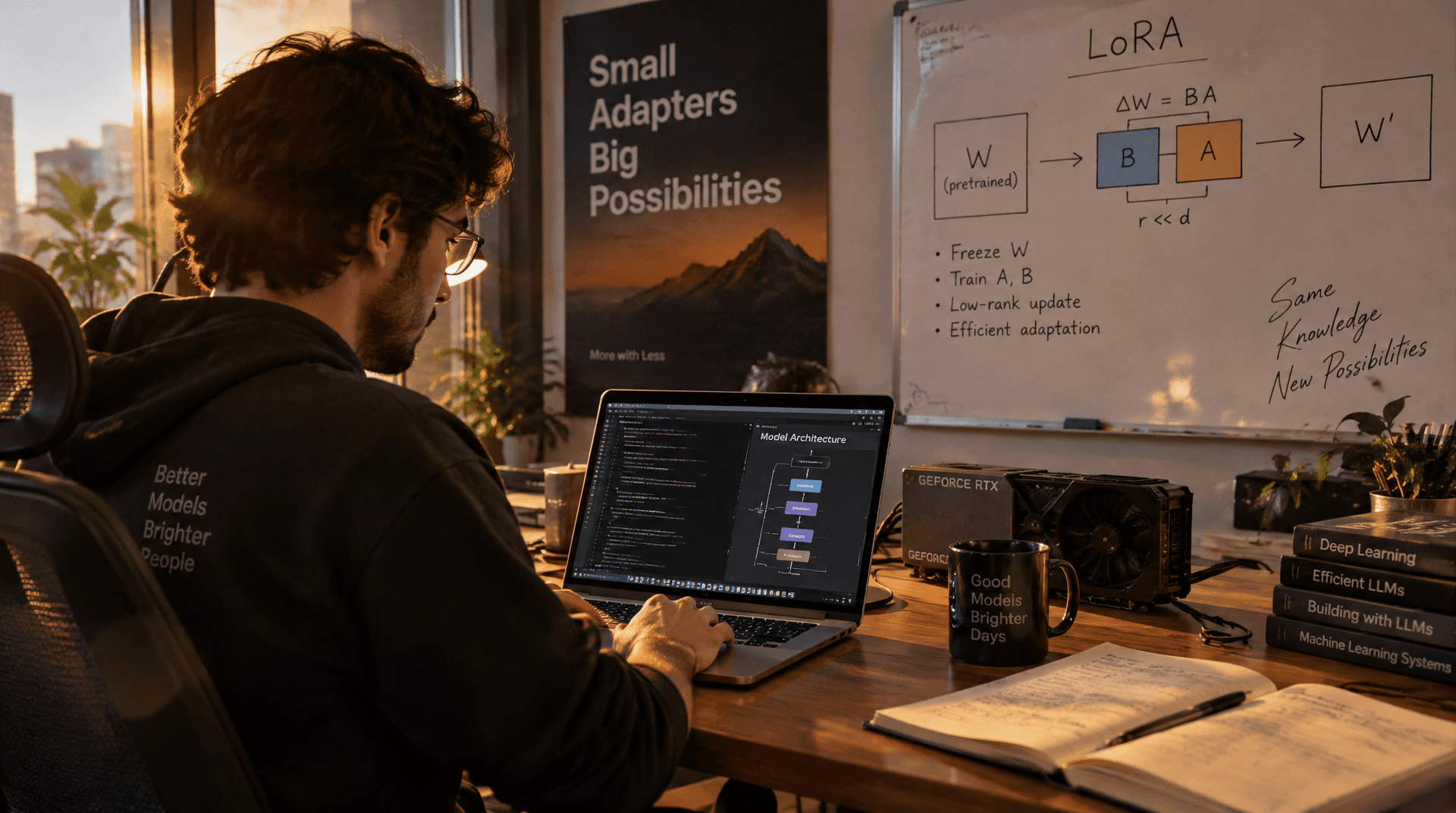
Build a Python RAG App: Load API Keys with `load_dotenv`
Secure key handling stopped being optional the moment you wired an OpenAI or Pinecone key into your code. Never hard-code secrets. Build a clean virtual environment, pin your dependencies in a requirements.txt, and let load_dotenv read your keys from a .env file at runtime. Start with isolation. A…Oct 14th 2026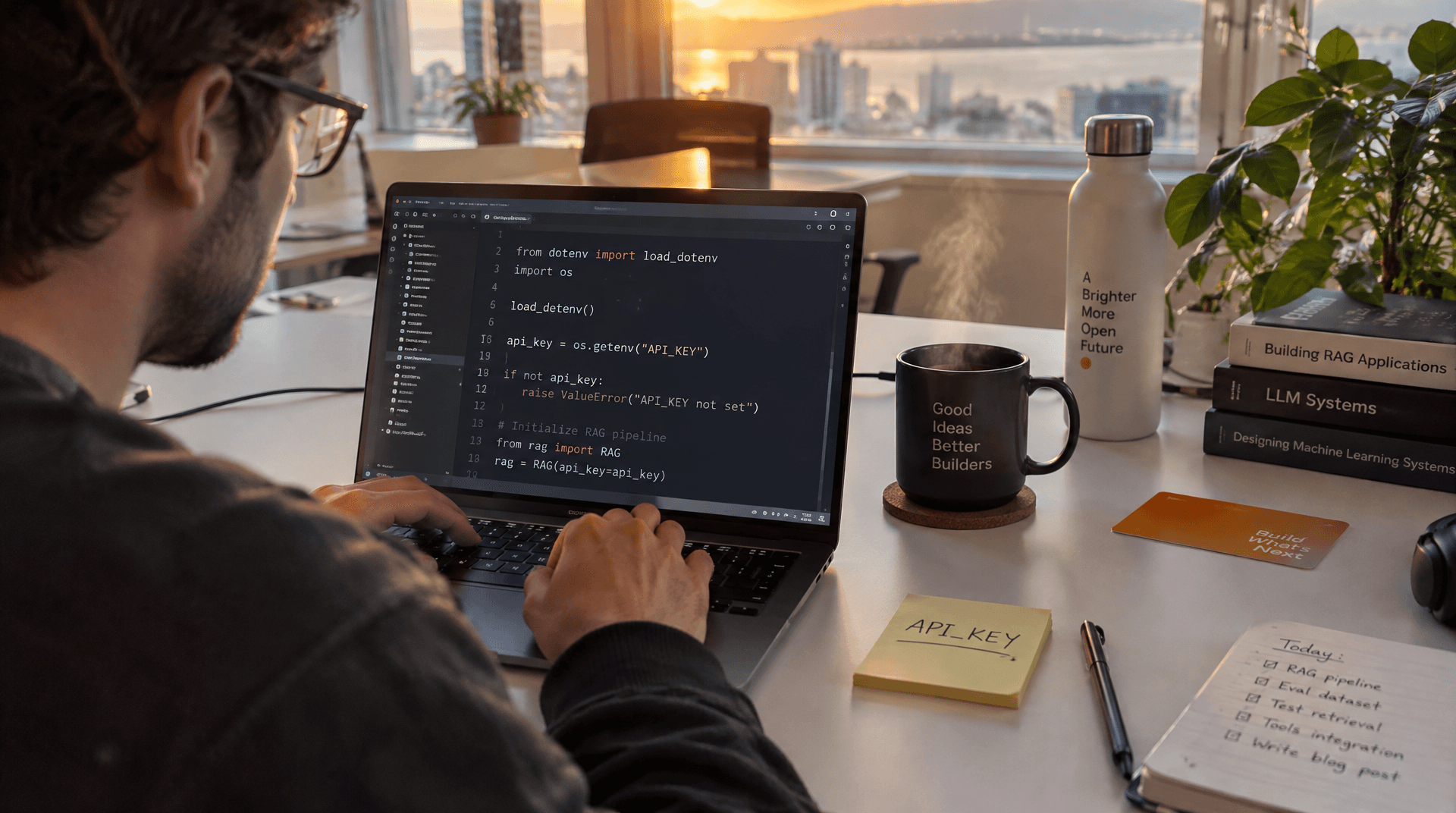
Should You Fine-Tune Your LLM? Check Your Data First
Before you spend a dollar on compute, audit your data. That is the point. Fine-tuning changes the model itself. It shapes form, not facts: style, structure, behavior. It won't reliably inject knowledge that shifts week to week. Most teams asking how to fine-tune an LLM would get further by fixing…Oct 14th 2026
How to Fine-Tune LLMs: LoRA Cuts VRAM 90%, Fits 7B on Consumer GPUs
Fine-tuning LLMs stopped being a cloud-only problem the moment LoRA arrived. Full fine-tuning pays the memory cost of training every weight in the network. LoRA freezes the base model and trains only small adapter matrices. QLoRA keeps that same adapter idea, then compresses the frozen base with…Oct 12th 2026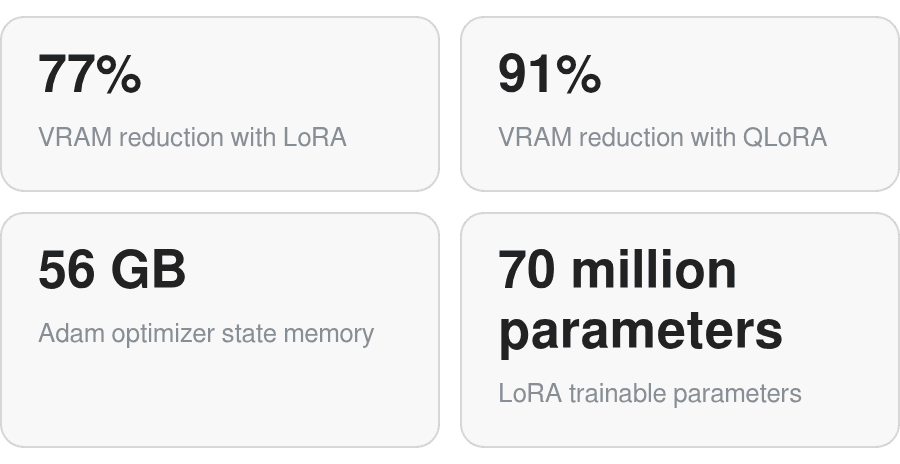
nn.LayerNorm Explained: Pre-Norm Transformers, LoRA, and vLLM Inference
nn.LayerNorm is cheap enough that a single call never appears on a profile. The problem is volume. Every token, every layer, every forward pass repeats the same arithmetic. When you measure energy across training or inference, that repetition turns a tiny computation into a recurring cost. Research…Oct 9th 2026
How to Security-Test DeepSeek V3 and R1 with Promptfoo
Security testing stopped being optional the moment you wired an open-source model into a product real users touch. One successful jailbreak can leak your proprietary prompts, expose customer data, or drop you into a compliance mess you never budgeted for. DeepSeek V3 and R1 are appealing for good…Oct 9th 2026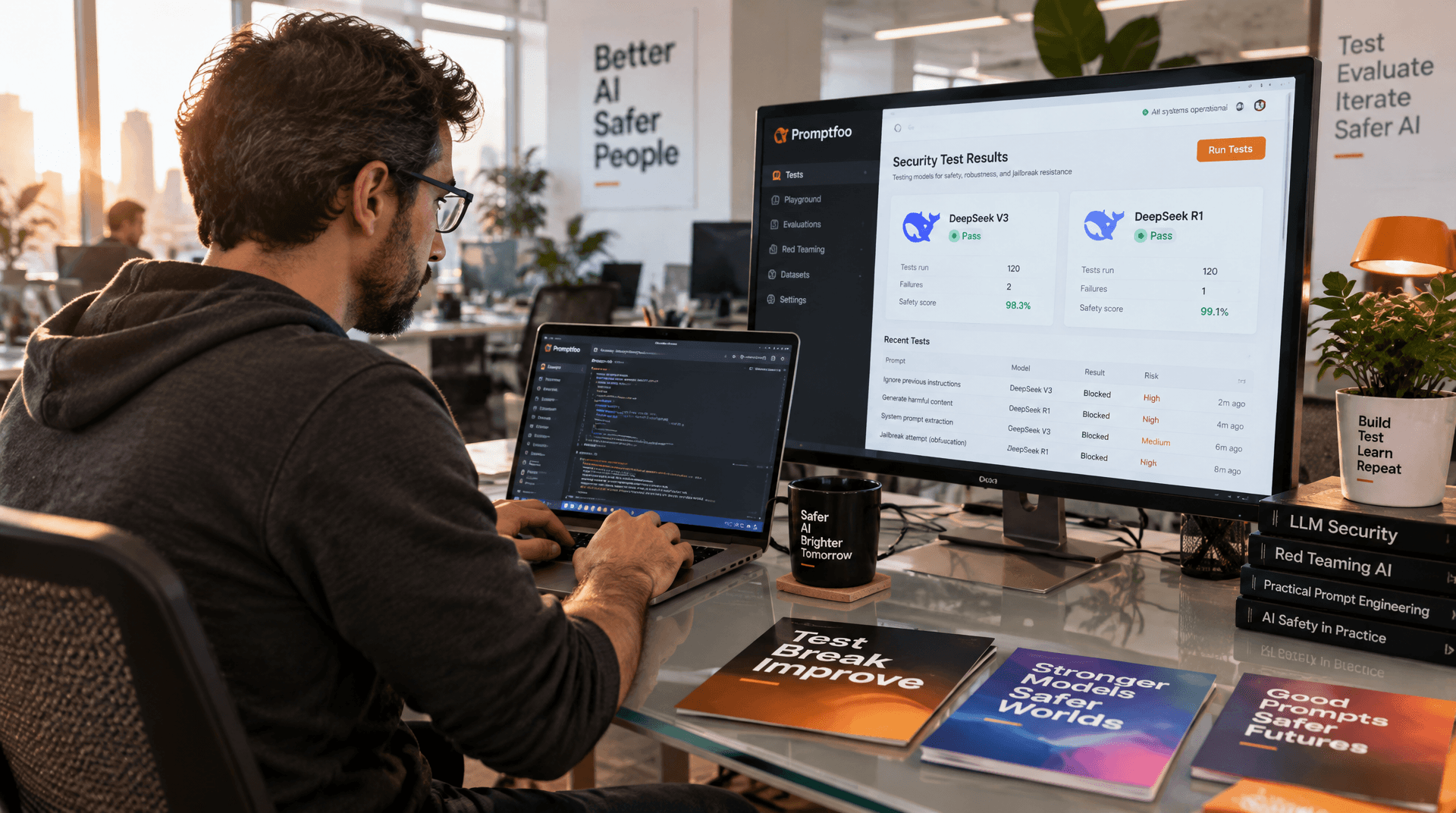
GLM-5.2 vs Fable 5: Coding Agents, Cost, and Long Context
Picking a coding-agent model for your cohort stopped being a taste decision the moment token spend showed up next to instructor salaries. If you run a bootcamp, the GLM 5.2 vs Fable call comes down to three things you'll have to defend: cost per student, how much context the model holds during long…Oct 9th 2026
Set clear scope for AI agents using Gemini context engineering
Scope stopped being optional the moment your agent could call tools, query databases, or keep memory across sessions. Scope is the set of information and operations your agent can access during a single task. Get it wrong and you watch your agent burn through tokens on irrelevant context, fire the…Oct 9th 2026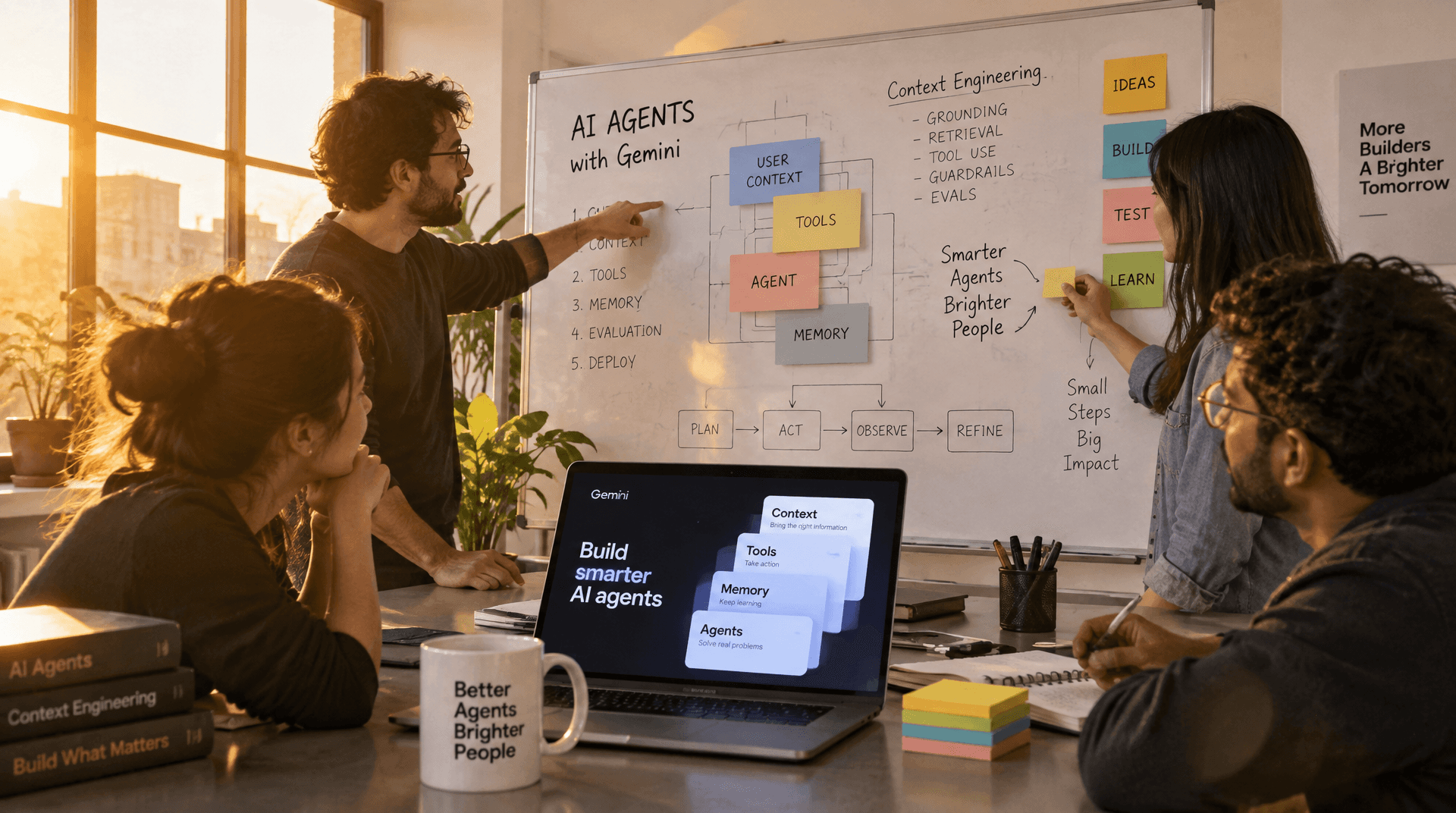
How to Test AI Agent Behavior Before Production: Three Strategies
Testing agent workflows stops being optional once you move past simple single-turn interactions. An agent can answer correctly in isolation and still lose a customer's order details mid-conversation, send the wrong arguments to a refund endpoint, or retrieve stale inventory data. These problems…Oct 9th 2026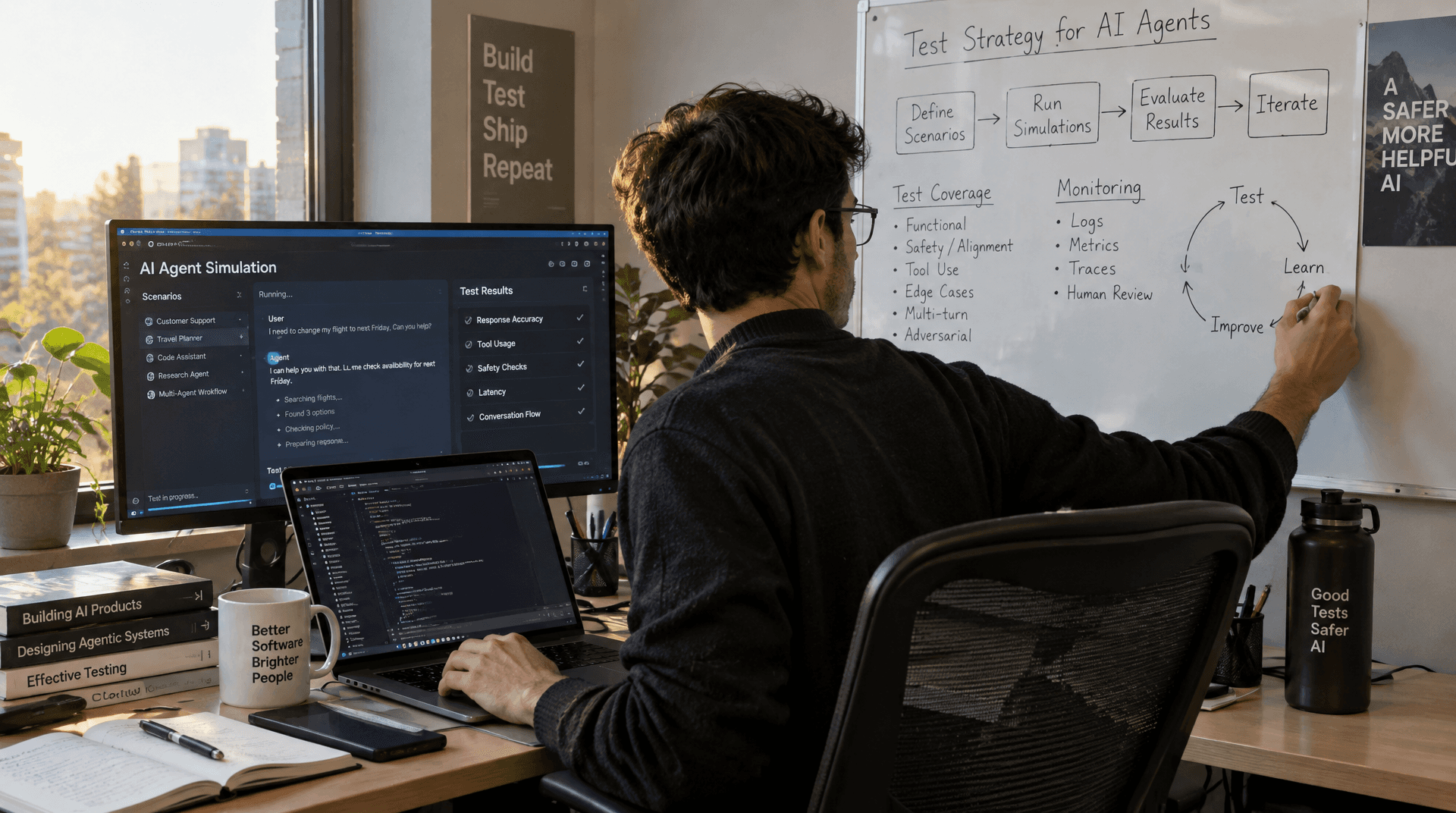
What Is an HTML Tag in Cursor and v0: How AI Builders Generate Cleaner Page Structure
You spin up a prototype in a generative UI tool, push it to a hosting platform, and celebrate. Then a keyboard user tries to tab through the page and nothing happens. The nav sits in a <div>. Buttons are styled <a> tags with no href. Heading levels jump from <h1> to <h4>, breaking the hierarchy…Oct 7th 2026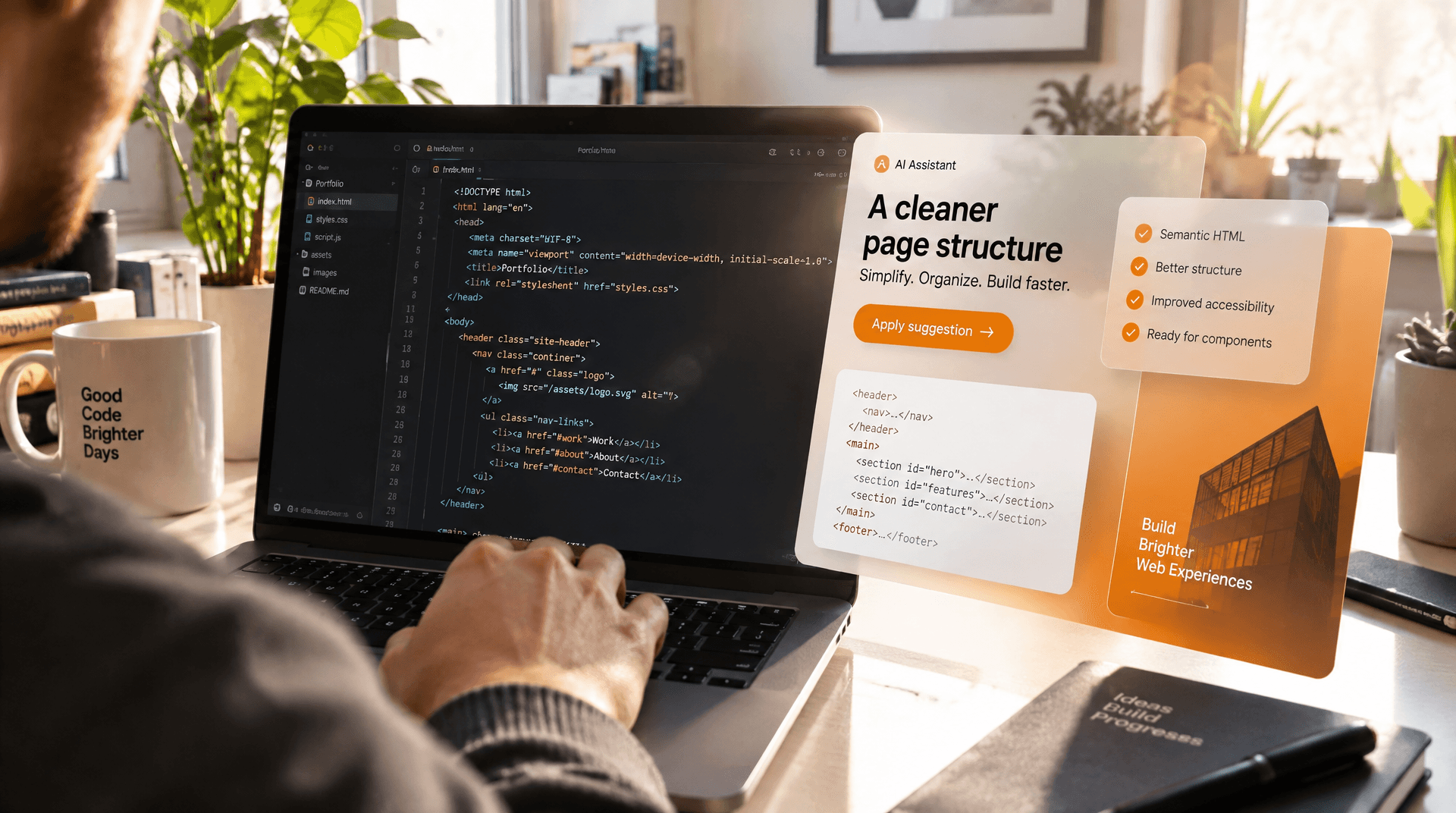
Automate Unique CSS IDs with Claude Code Refactoring
Duplicate CSS IDs can cause different failure modes: A navigation menu styled with #main-nav may appear on every element that declares id="main-nav", while a script intended to toggle one nav may target only the first. The browser does not always throw an error, so the regression can reach users…Oct 7th 2026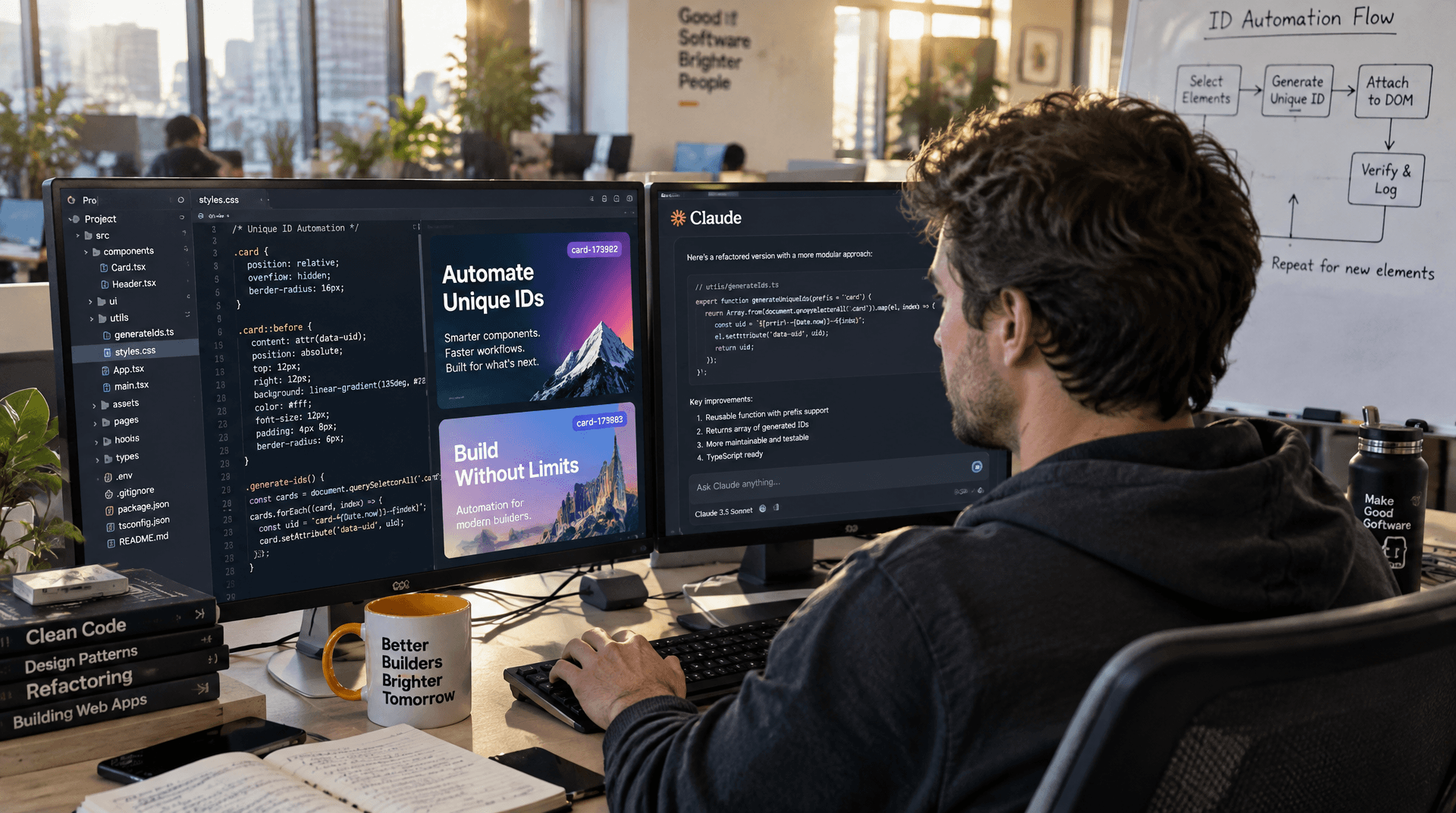
How to Use Jev with LangChain for Fast Agent Safety Checks and Typed Decisions
Watch: Jev in an agent loop by Sam Witteveen TypeSafe positions Jev as a System One model. Instead of generating text token by token the way a general LLM does, it accepts unstructured program state plus a list of typed questions, and it returns typed answers with calibrated probabilities in one…Oct 6th 2026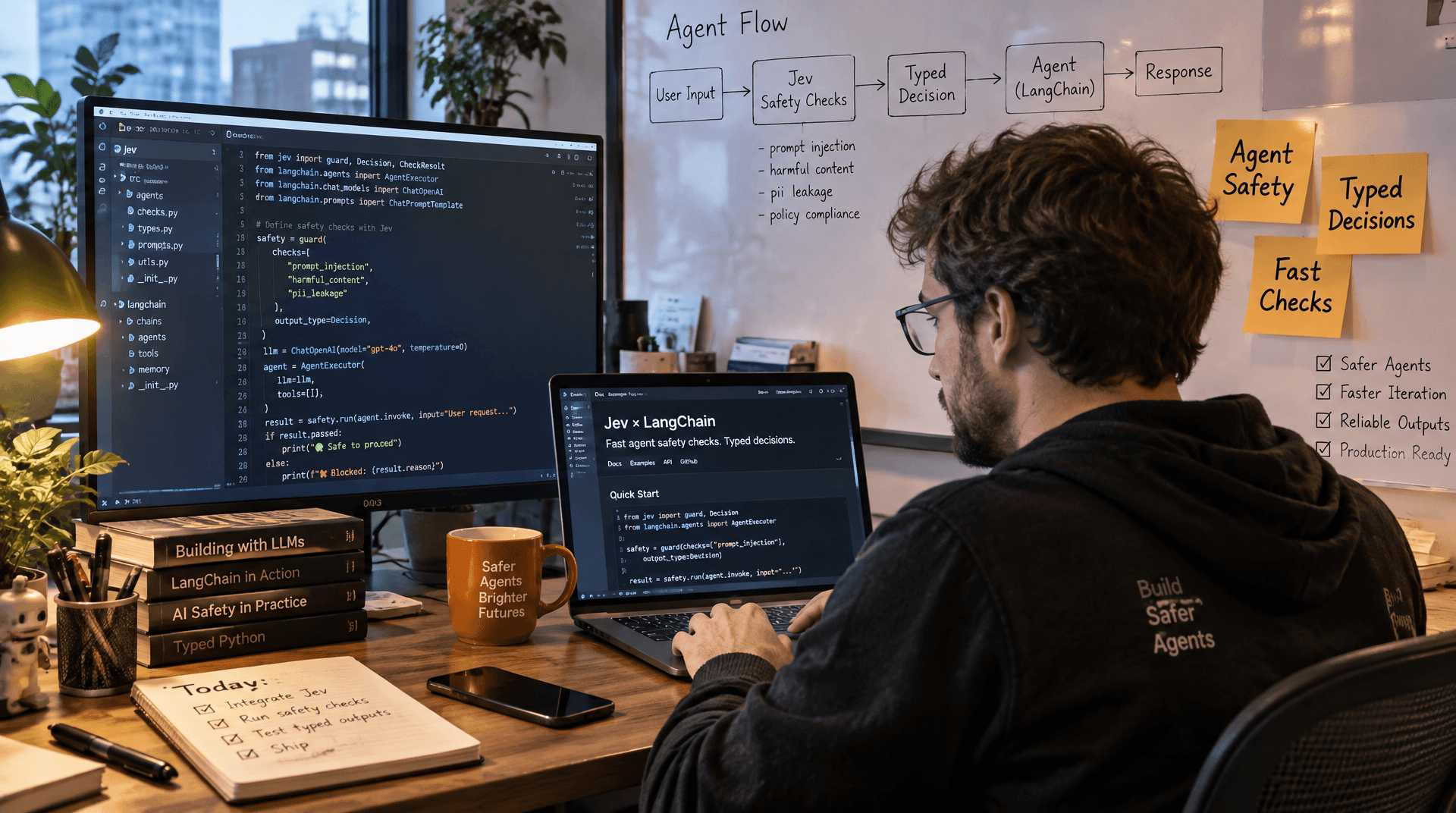
Generate a production‑ready Flutter button with Cursor v0 prompts
The short version: before Cursor v0 can help you build a Flutter button that wires in AI analytics, your editor setup often needs to understand Dart. In practice, that means a working Flutter SDK, the right extensions, and a small scaffold project for the agent to target. Get this foundation right…Oct 5th 2026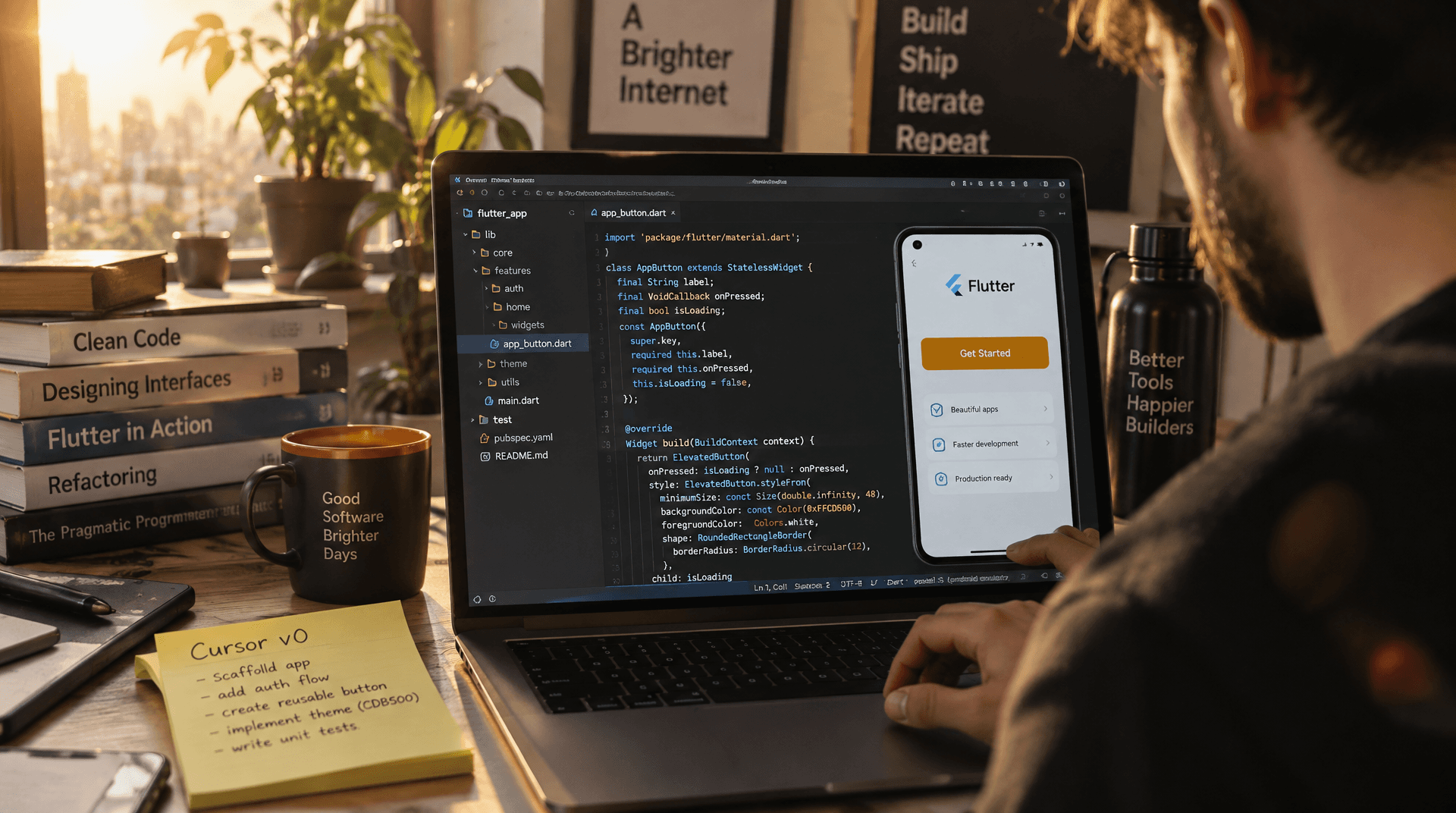
Choose Cursor CLI over GUI for faster LLM app builds
Terminal AI coding tools can support multiple model providers in a single workflow, while some competing tools are built around one vendor’s stack. Starting a fresh CLI conversation for each task can reduce the context drift that builds up in long GUI threads as visual state, open files, and…Oct 5th 2026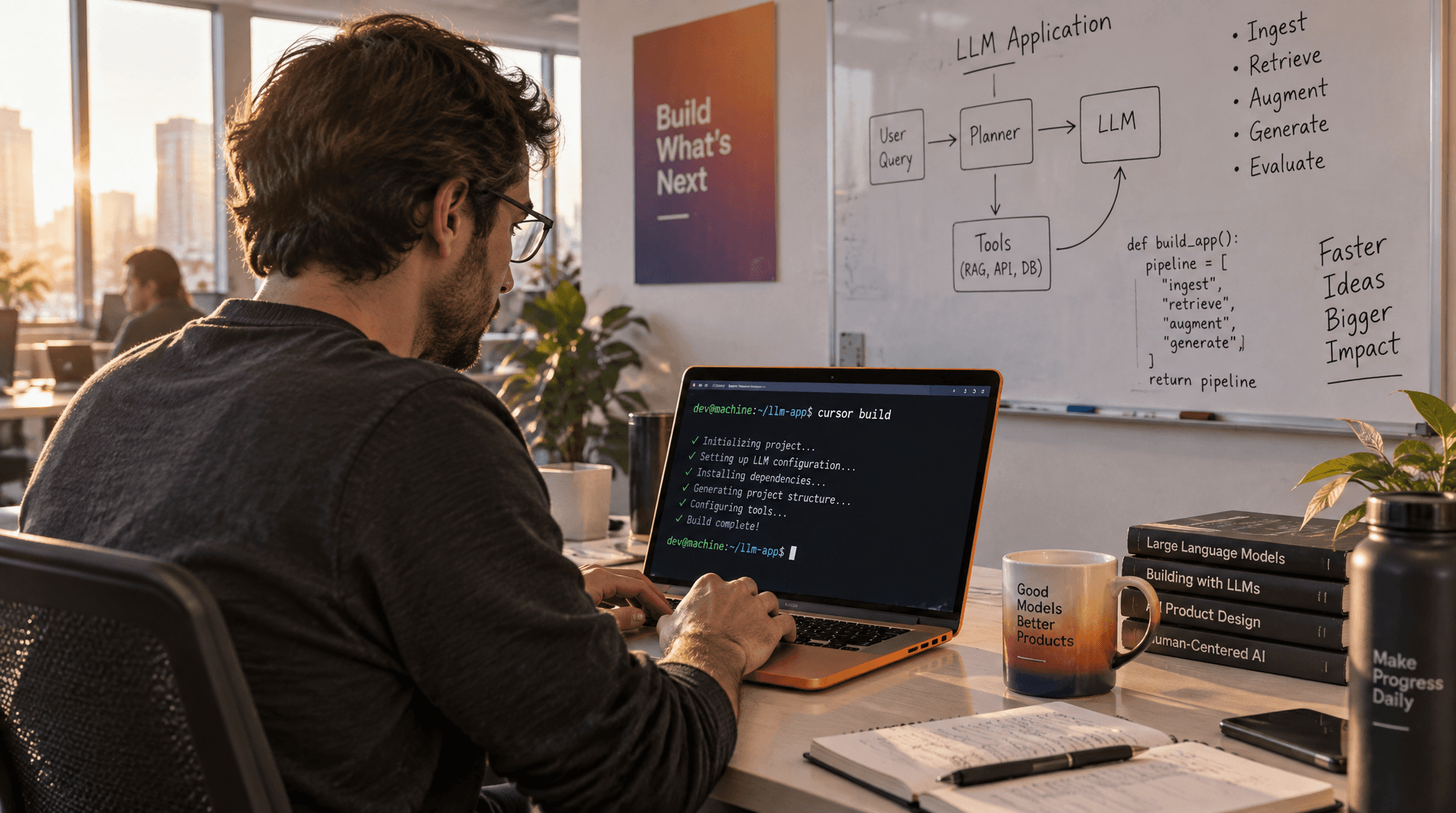
Python-dotenv for RAG Apps: Manage OpenAI, Anthropic, and Vector DB Keys Safely
Put every provider key in one .env file. Call load_dotenv before any RAG component starts. A RAG app may query OpenAI, call Anthropic, and store vectors in Pinecone. That means at least three API keys before retrieval logic begins. Hardcoding them works until a GitHub push exposes every credential.…Oct 5th 2026
Rust AI Apps with Rig: Connect Ollama, RAG, and Tool Calls
A RAG service (retrieval-augmented generation, where the model answers from your own documents) built with Rust and Rig can have a much smaller runtime memory footprint than an equivalent Python LangChain server in many local-serving setups. Rust’s lack of garbage-collection pauses can also help…Sep 30th 2026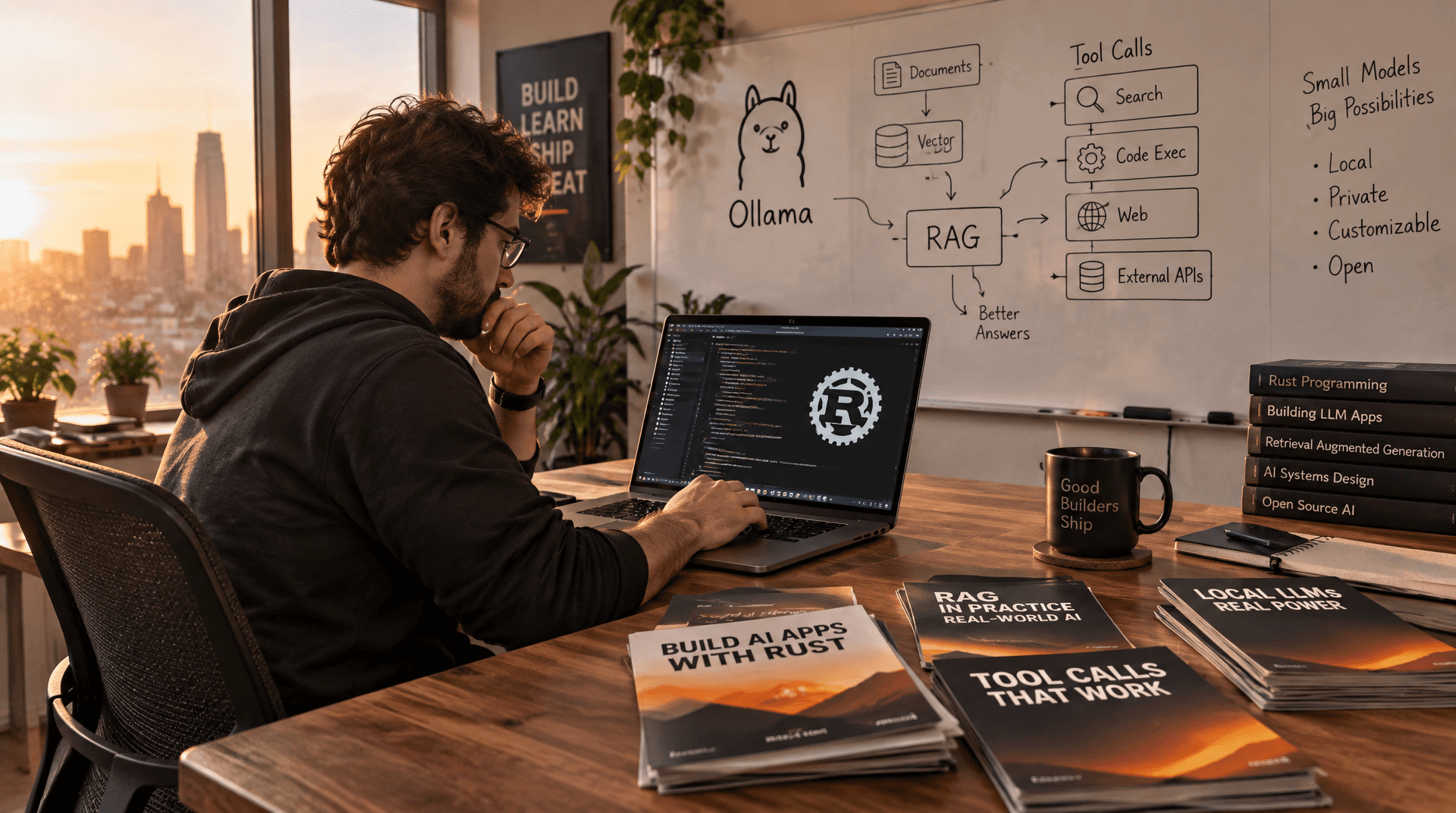
Execution Context for Cursor, Claude Code, and Codex CLI: A Workflow That Keeps AI Coding on Track
Execution context is what lets an AI coding agent reason from the same picture of your project across every prompt. Lose it, and the agent forgets which files it touched, re-reads code it already understood, and burns tokens rebuilding a mental model you already paid for. For a multi-file refactor…Sep 30th 2026
Reproducing QLoRA: NF4 Fine-Tuning with Unsloth and LLaMA-Factory
Reproducing QLoRA stopped being a research curiosity once 4-bit fine-tuning became a common way teams ship custom models. This block is your scoping sheet: hardware, software stack, time-to-train, and where Unsloth and LLaMA-Factory each fit. Read it like a capstone plan, not a demo. The paper…Sep 29th 2026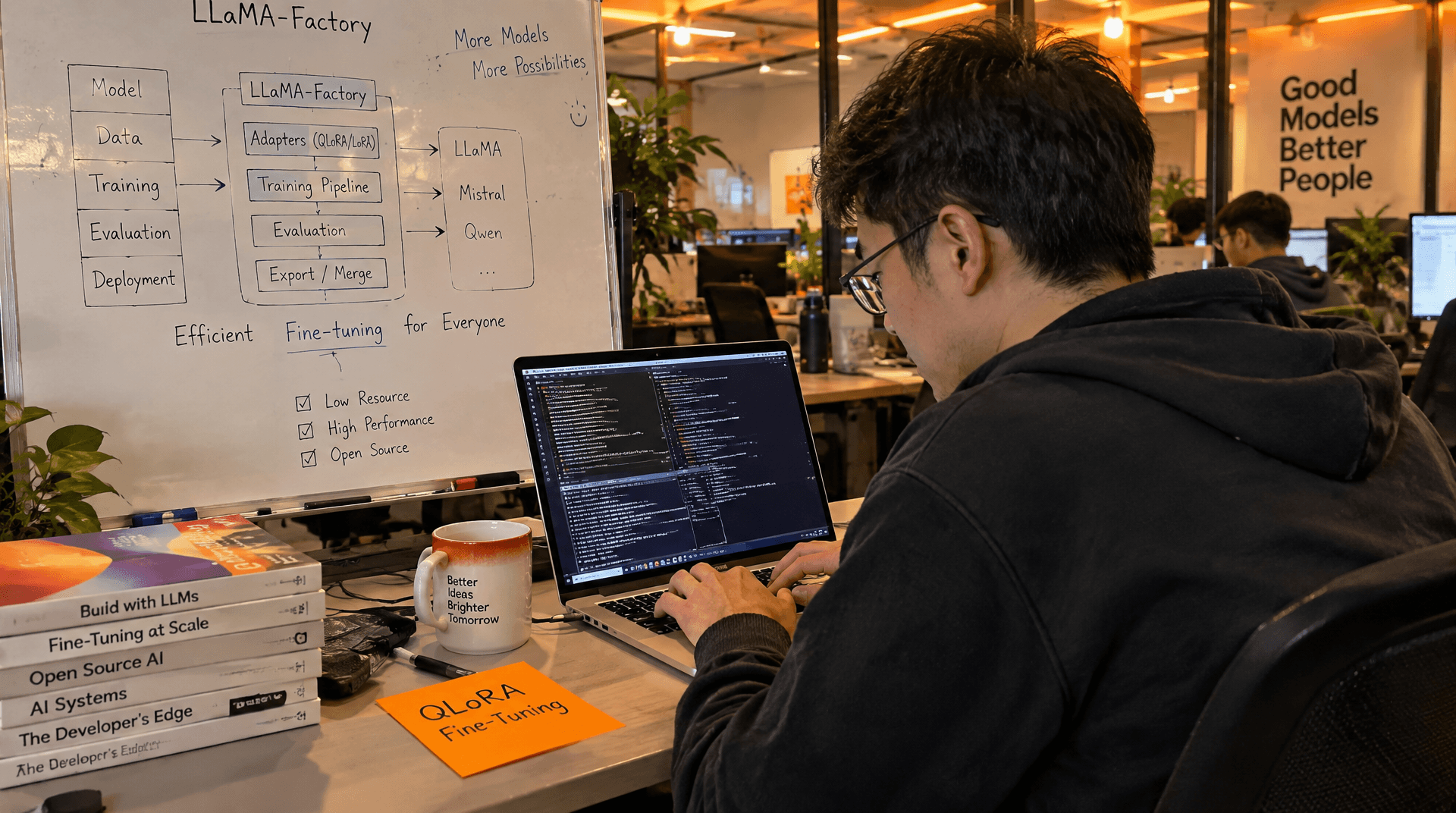
Reinforcement Learning Examples Behind Modern LLMs: RLHF, RLAIF, and CodeRL in Practice
Supervised fine-tuning (SFT) trains a model on curated prompt-and-answer examples. It stops short once the model leaves the demo and meets real users. SFT gives the model examples to copy. It does not teach the model to rank competing answers, refuse unsafe requests, or handle prompts with multiple…Sep 28th 2026
ESLint Setup for Cursor and GitHub Copilot: Project Rules That Stop AI Code Drift
Before we get into it, the short version: Here's the whole workflow at a glance before you commit an afternoon to it. This ESLint setup for AI-assisted projects hinges on a lint config plus instruction files that your assistant can consult. Wire those up and your linter can stop being a passive…Sep 28th 2026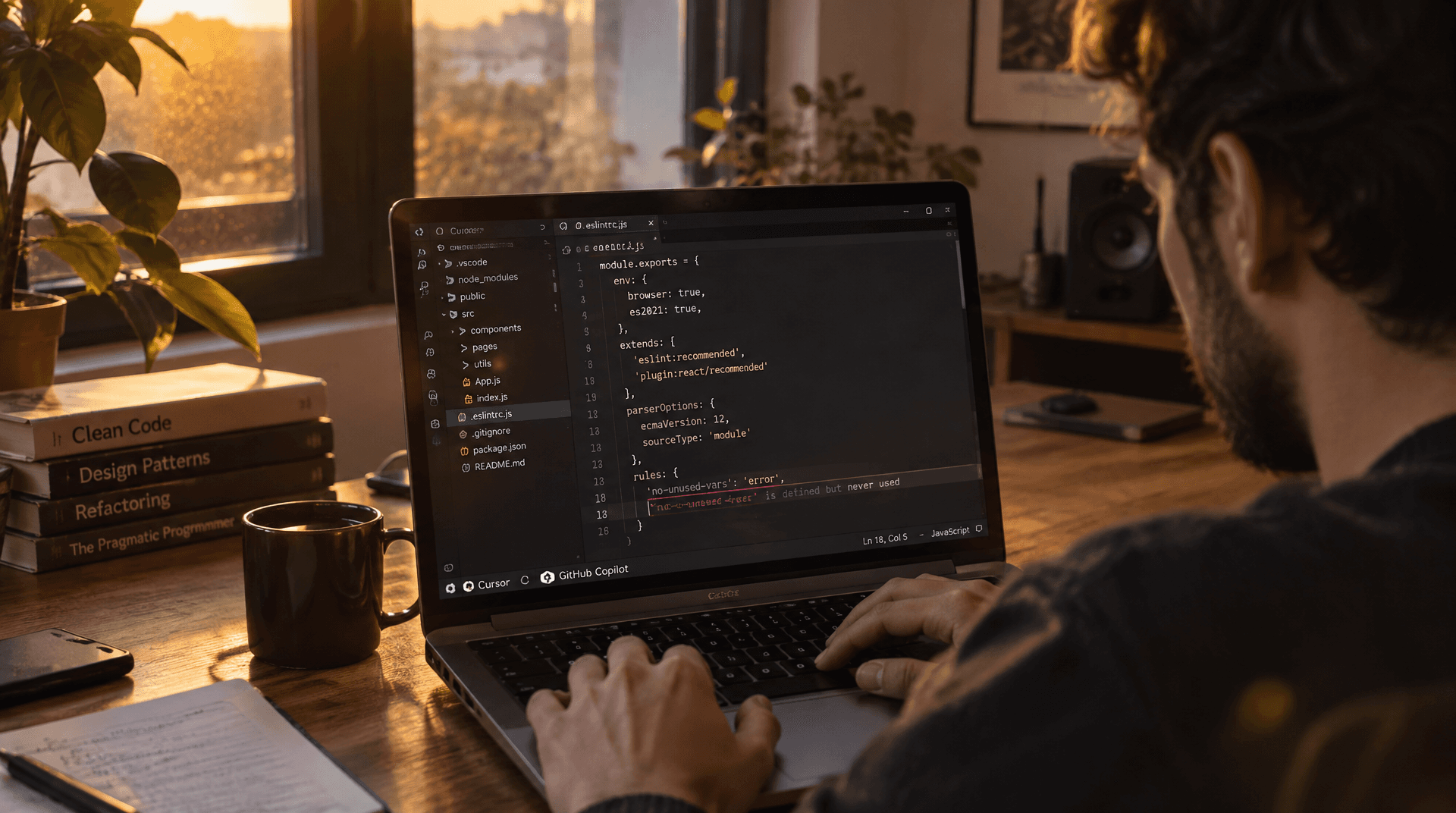
courses
AI Accelerator
Land an AI engineering role in as little as 90 days, without going back to school, grinding through YouTube tutorials, or needing any prior AI experience. We build your personalized roadmap, help you build a production-grade portfolio, apply for jobs on your behalf, and prep you for interviews, all the way through to a signed offer. If you don't land a role within 6 months of us starting to apply on your behalf, you get 100% of your tuition back.Jul 11th 2025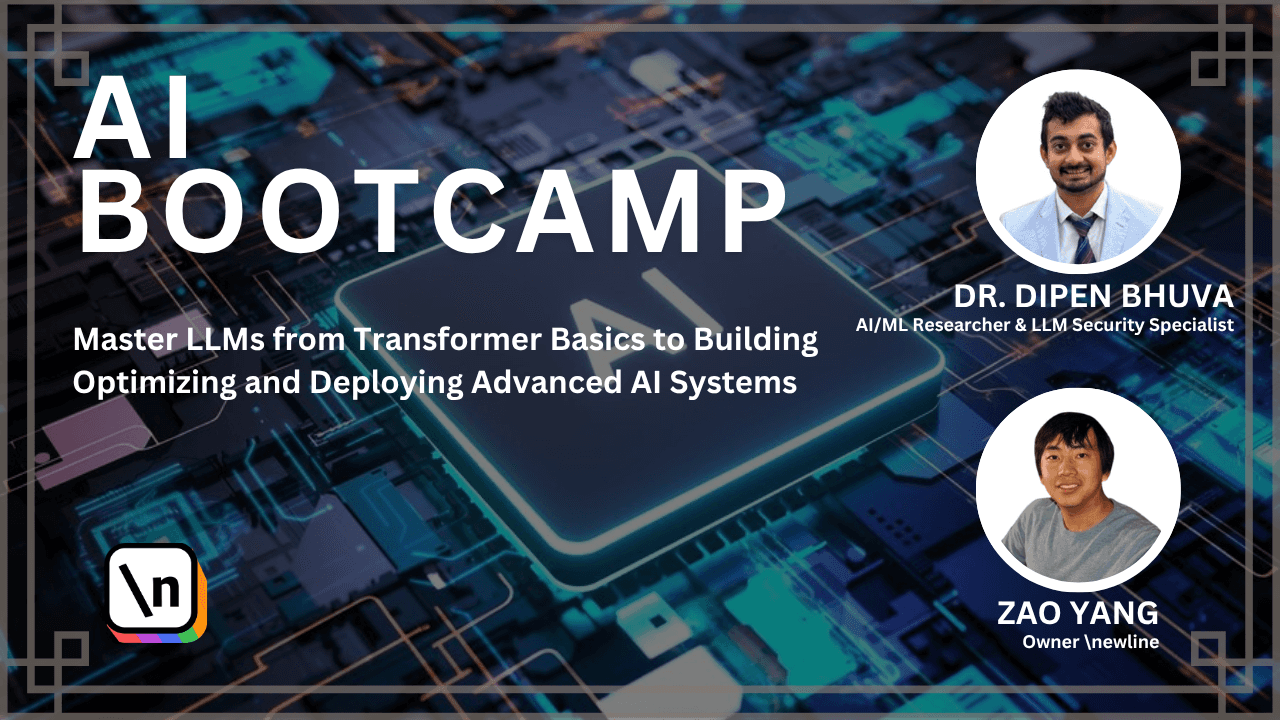
AI bootcamp 2
This advanced AI Bootcamp teaches you to design, debug, and optimize full-stack AI systems that adapt over time. You will master byte-level models, advanced decoding, and RAG architectures that integrate text, images, tables, and structured data. You will learn multi-vector indexing, late interaction, and reinforcement learning techniques like DPO, PPO, and verifier-guided feedback. Through 50+ hands-on labs using Hugging Face, DSPy, LangChain, and OpenPipe, you will graduate able to architect, deploy, and evolve enterprise-grade AI pipelines with precision and scalability.Aug 12th 2025
books
Dipen hasn't published any books